From Indigenous Stewardship to Modern Cattle Operations
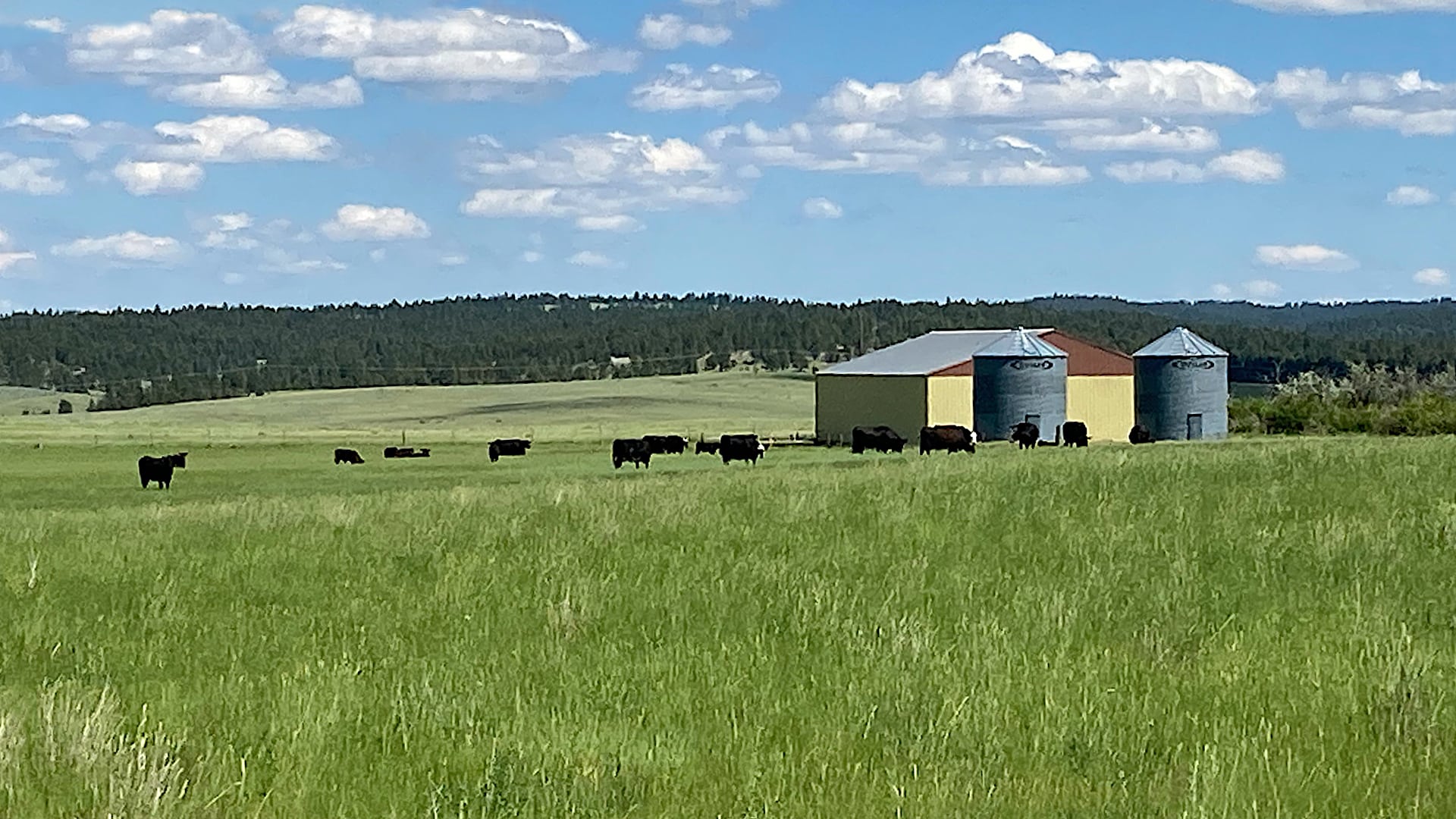
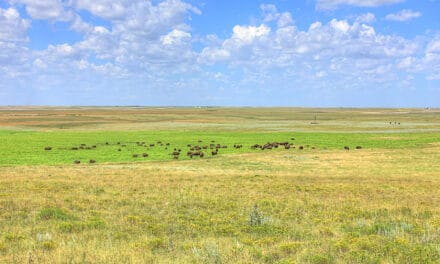
Montana’s vast plains and rugged mountains weren’t always dotted with sprawling ranches. The story begins much earlier, with the indigenous tribes who stewarded this land for millennia. The Blackfeet, Crow, and other nations, while not always living in harmony with each other, lived in profound tranquility with the buffalo. They followed the great creatures’ seasonal migrations, using every part of the animal for sustenance, clothing, and shelter. Their intricate understanding of the ecosystem laid the groundwork for sustainable land management practices that future ranchers would adopt.
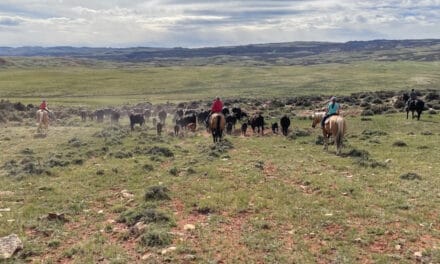
Then came the 19th century, marked by seismic changes. The gold rush attracted prospectors and cattlemen, who transformed the landscape with their bootsteps. Cattlemen saw in the vast open prairies an opportunity to raise cattle, and soon emerged the iconic Montana cowboys, driving enormous herds across the plains with skill and determination. But ranching in Montana wasn’t just about cowboys and cattle drives. It was about families carving out a life from the land, facing the harsh realities of weather, isolation, and economic hardship. It was about communities banding together, sharing resources, and building a unique culture rooted in resilience, self-reliance, and respect for the natural world.
Today, Montana ranching continues to evolve. Family-owned operations coexist with larger ranches and sustainable practices are increasingly gaining ground. Whether you are looking to invest in a Montana working ranch, recreational ranch, or hunting and fishing land, Chase Brothers Land and Ranch Brokerage is confident our expertise will help you create the lifestyle of your dreams. To inquire about unlisted properties, please submit the Property Interests form on our Buyer Services page and we shall respond with a plan to locate your ideal property.
The Open Range Era
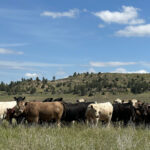
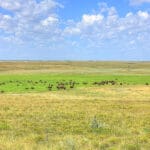
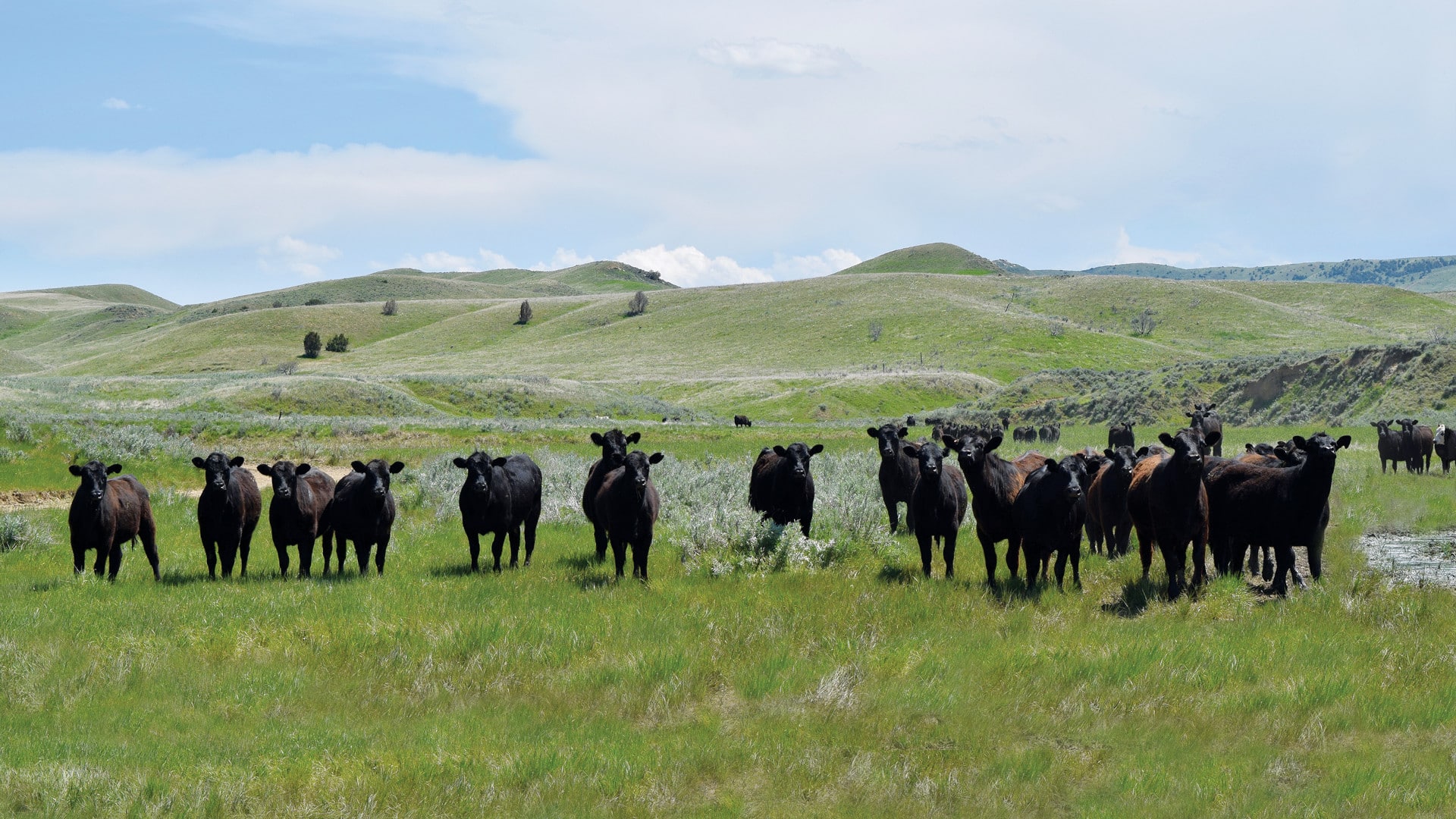
By the late 1800s, Montana had become one of the most important cattle regions in the American West. Vast stretches of open prairie allowed ranchers to graze enormous herds without fencing. Cattle driven north from Texas filled the grasslands, and Montana’s wide valleys and river bottoms proved ideal for raising livestock.
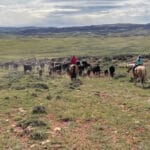
During this period, the cattle industry operated largely on the open range, where ranchers allowed their herds to roam freely across unfenced public lands. Cowboys rode long distances to monitor cattle, brand calves, and move herds between seasonal pastures.
The Northern Pacific Railroad played a crucial role in this expansion. Rail lines connected Montana ranchers to national markets, allowing beef raised on the plains to be shipped to Chicago and other major cities. Towns such as Miles City and Billings became important centers of the cattle trade.
While the open range era created great opportunity, it also brought challenges. Severe winters, fluctuating beef prices, and competition for land often tested the resilience of early ranchers.
The Winter of 1886–1887
One of the most defining events in Montana ranching history was the brutal winter of 1886–1887. After several years of rapid herd expansion, ranchers entered the season with large numbers of cattle grazing on the open range.
Then disaster struck. Blizzards swept across the northern plains, followed by prolonged periods of extreme cold. Snow buried the grasslands and prevented cattle from grazing. Many animals starved or froze before spring arrived.
The losses were devastating. Some ranches lost more than half of their herds, and several large cattle companies collapsed financially. The winter marked the end of the open range era and forced ranchers to adopt new practices.
After this catastrophe, Montana ranching gradually shifted toward:
- fenced pastures
- stored winter feed
- improved herd management
- smaller, family-operated ranches
These changes laid the foundation for the modern ranching industry that continues today.
Family Ranching and Community Life
As the 20th century began, Montana’s ranching landscape changed from massive cattle corporations to family-owned operations. Homesteaders settled across the plains and foothills, building ranches that combined livestock production with farming.
Life on a Montana ranch demanded independence and determination. Families often lived miles from their nearest neighbors, relying on each other and their communities for support. Seasonal events such as branding, haying, and cattle drives became important social gatherings where neighbors worked together.
Schools, churches, and small towns developed alongside ranching communities. These institutions helped create the strong rural culture that remains a defining feature of Montana today.
Modern Ranching in Montana
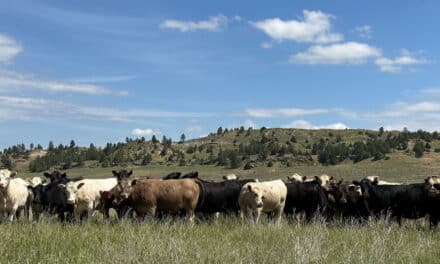
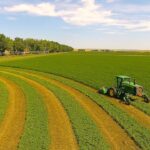
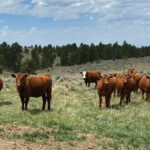
Modern Montana ranches combine tradition with innovation. While cattle remain the backbone of the industry, today’s ranchers rely on improved grazing practices, veterinary science, and modern equipment to manage their operations efficiently.
Many ranches also diversify their activities to support long-term sustainability. Recreational opportunities such as hunting, fishing, and guest ranch operations have become important sources of income in many regions of the state.
Conservation has also become a central focus. Ranchers increasingly work with land trusts and conservation organizations to preserve wildlife habitat and open landscapes. Conservation easements allow ranch families to protect their land from development while continuing to operate working ranches.
These efforts help maintain the wide-open spaces that define Montana and help ensure ranching remains a vital part of the state’s economy and culture.
Montana Ranches Today
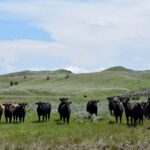
Today, Montana remains one of the most iconic ranching regions in North America. From the rolling plains of eastern Montana to the mountain valleys of the western part of the state, ranches continue to shape the landscape and the way of life for many families.
For buyers interested in owning land in the American West, Montana offers opportunities ranging from working cattle operations to recreational and hunting ranches. These properties often combine productive grazing land with scenic beauty, abundant wildlife, and access to outdoor recreation.
If you’d like to browse current opportunities, view our Montana ranch listings.